
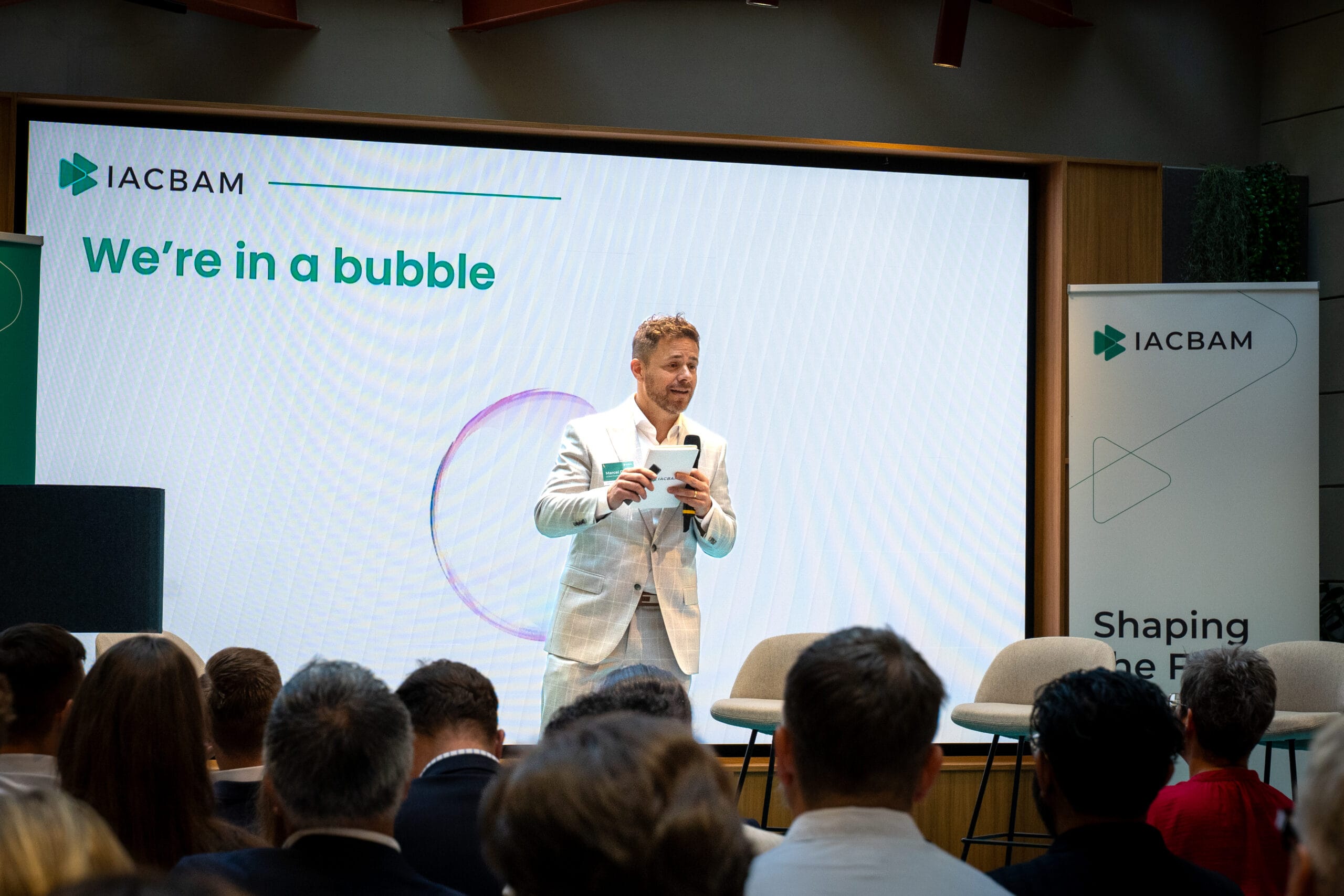
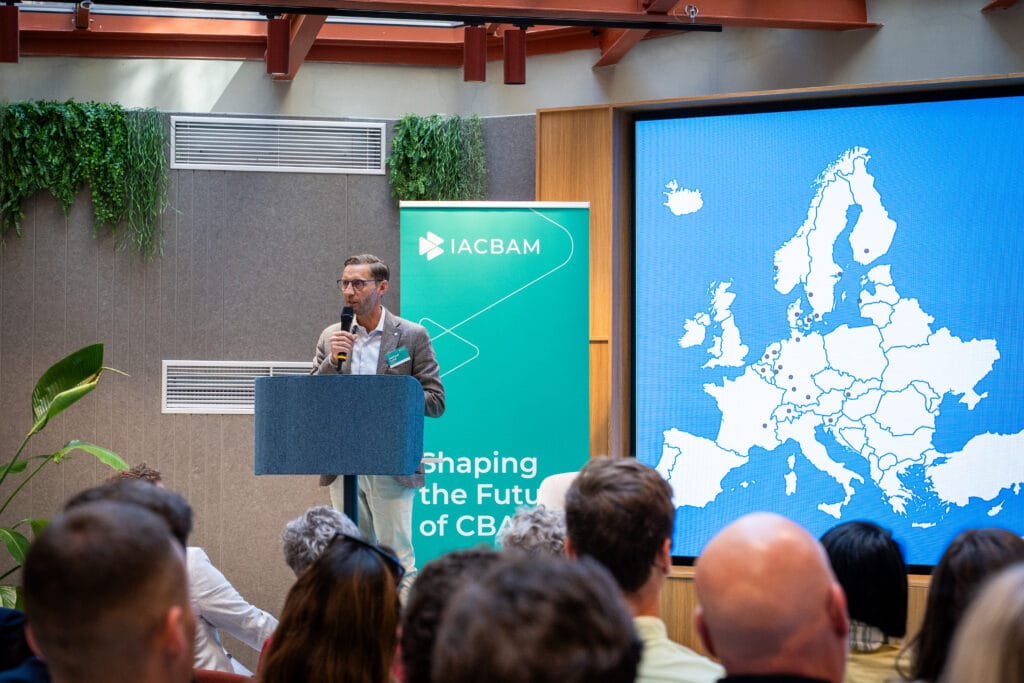
On 28 May 2026, the International Association of the Carbon Border Adjustment Mechanism (IACBAM) hosted the Global CBAM Summit 2026, in Scott.Weber NR7, Náměstí Republiky, Prague, Old City, Prague. The conference brought together policymakers, verifiers, industry leaders, service providers, and technology experts to explore how the Carbon Border Adjustment Mechanism (CBAM) can further develop into a credible, workable, and trusted system.
The event was moderated by Benjamin Steven, Journalist for Dow Jones (McCloskey) – EMEA Steel Markets and Sustainability.

Opening remarks were provided by Marcel Duits, President of IACBAM.
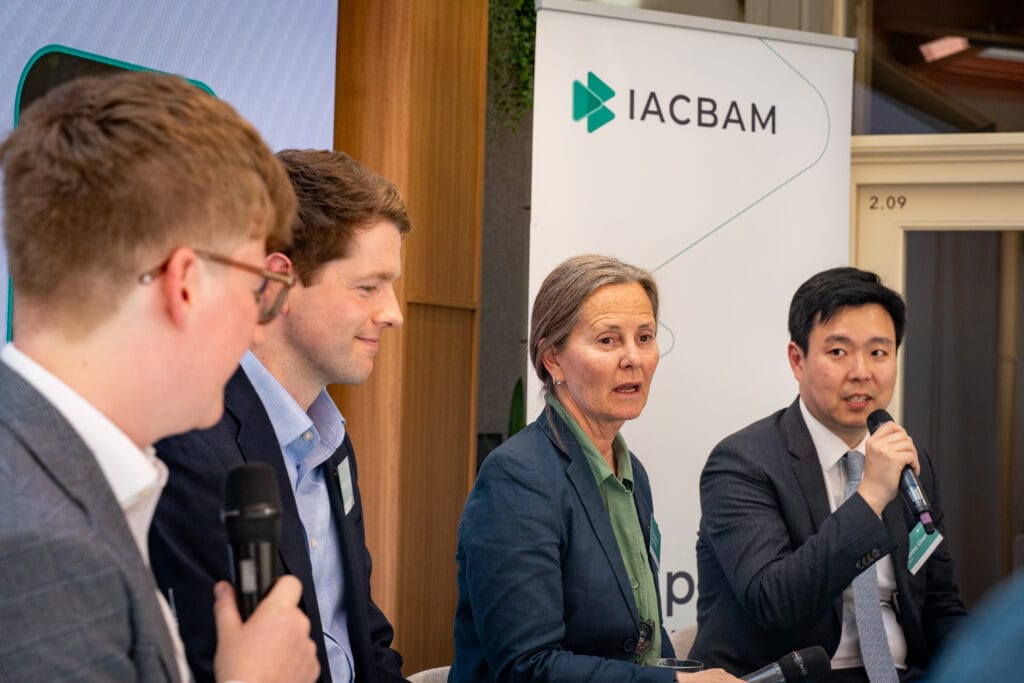
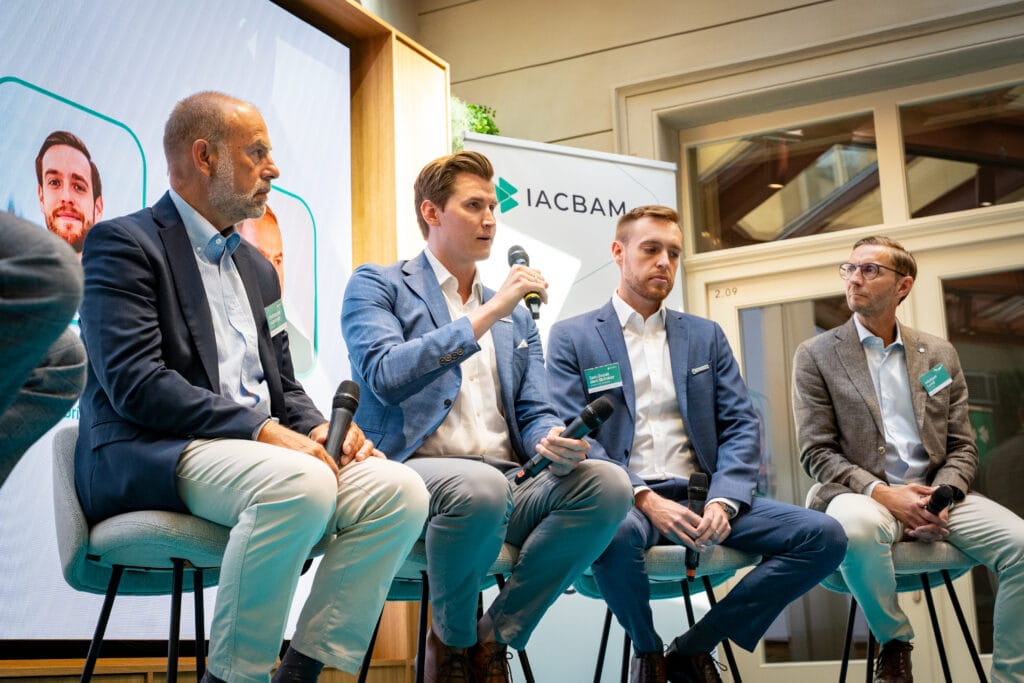
Speakers included:
- Vicente Hurtado Roa, Head of Unit at European Commission – DG TAXUD.
- Dan Maleski, CBAM Lead, Redshaw Advisors
- Michael Lund, Managing Director and Group CEO of Damstahl a/s.
- Jan-Joost den Brinker, Chief Technology Officer at Dubrink.
- Yunho Chang, Managing Director of the Brussels office of POSCO.
- Francesca Cerchia, Global Head of Climate Solutions at SGS.
- Nick Ogilvie, CBAM Specialist at CarbonChain.
- Christophe Lagrange, Executive Board Member at Euranimi.

Insight
The Global CBAM Summit provided insight into the intersect between commodities supply chains, customs and border compliance, and international environmental policy.
The inaugural role of customs in determining CBAM was emphasised. The commodity codes in a verification report must match the commodity codes used on import. Strategic implementation of a tariff classification roadmap across the CBAM supply chain is particularly relevant in circumstances where certain products, such as steel pipes, might be used for oil and gas, and classified accordingly, but their classification is amended when the same type of product is used to transport water in a cooling system for a data centre. Ensuring that supplier-provided commodity codes are accurate and align with verifier reporting requires robust organisational oversight. A further consideration is the role of distributors and intermediary suppliers within the supply chain, where misclassification risks can be compounded at multiple levels.
Alinea Customs has frequently encountered circumstances in which, for example, the export department of an engine manufacturer may encourage clients to circumvent applicable tariffs by classifying loose engine components — or a reservoir tank — under the commodity code of the finished product. Such practices, whether deliberate or inadvertent, can expose importing organisations to significant compliance and regulatory risk.
Another focus was on the costs and pricing dynamics of EU CBAM, and the sensitivity between the EU Emissions Trading System (ETS) price, and the CBAM certificate price set quarterly in 2026, that will subsequently be established on a weekly basis in 2027. Three key areas were reflected on: policy, capital markets, and geopolitics. CBAM is an environmental policy and carbon levy. The legislation aligns with the World Trade Organization’s (WTO) National Treatment Principle (GATT Article III) designed to ensure fair competition.
The EU ETS covers over 15,000 installations, whereas the UK ETS regulates around 1,000. Pricing related to CBAM is heavily influenced by supply and demand dynamics, particularly those established in utilities – e.g. when the price of gas rises, as a result, more coal is burned, and therefore more carbon purchases may occur. The role of investment funds in impacting carbon markets, and horizons for strategic players was discussed. In 2021, the European Union’s ‘Fit for 55’ package and Market Stability Reserve triggered a significant influx of capital, whereby hedge funds including Andurand Capital took a long-term position, facilitating a price rise in EUA from €30 to over €85.
Furthermore, the interaction between geopolitical events and CBAM is relevant, as global trade rules are redefined through the lens of climate policy. Friction between the Global North and the Global South, has been identified, particularly as developing and emerging economies seek to industrialise, and may see their export markets shift in accordance with regional CBAM policy. On this basis, it has been acknowledged that an there is a global acceleration in carbon pricing, and shift towards adoption of green, low emissions technology.
Key takeways
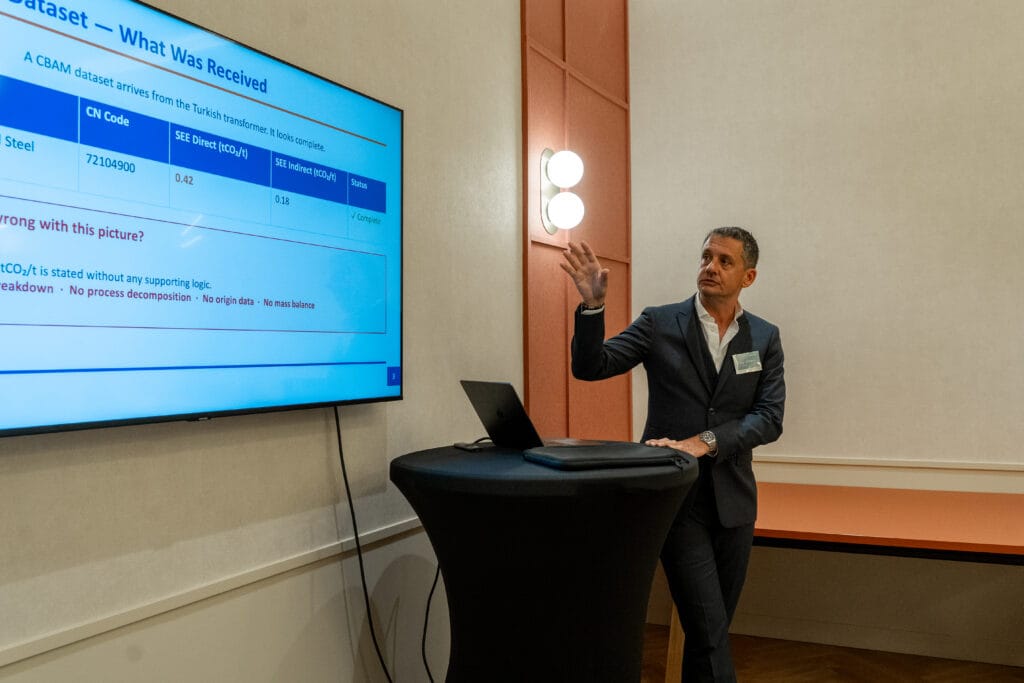

The conference brought together views from policy-makers, EU-based producers and manufacturers, and distributors, procurement managers who are exposed to CBAM. It also brought together advisors on areas such as carbon accounting, customs, and reporting. As EU CBAM policy continues to shift and evolve, and with only six months until UK CBAM is implemented, the following Q3 and Q4 2026 offers an opportunity for UK companies to implement a CBAM strategy.
- Customs defines CBAM. Implementation of a robust tariff classification roadmap across an organisation’s supply chain is integral to achieving best CBAM practice.
- Importing from regions that have implemented a recognised carbon price will have a significant impact on minimising CBAM related costs (Article 9 EU Reg 2023/956, and section 150 of the Finance Act 2026).
- Default emissions values in general are established higher than actual verified values. Without appointing an accredited verifier, only default values will apply.
- Data architecture decides the cost, not the regulation.
- The EU has published an intension to extend CBAM to specific aluminium and steel downstream products from January 2028. The majority will be industrial machinery such as base metal mountings, cylinders, industrial radiators, or machines for casting. A small share, 6%, of the downstream goods concerned are also household goods.
- The EU and UK have published an intention to link their Emissions Trading Systems (ETS).
- From January 2027, UK CBAM will be a profit and loss line, not a future risk. The liability will accrue on every imported consignment, although in the first year of implementation, payment will not be required until 31 May 2028.
Alinea Customs provide inhouse consultancy addressing UK CBAM exposure, and also in embedding IACBAM 3002:2025 and IACBAM 3004:2025 compliance frameworks into organsiations.
- IACBAM Standard 3002:2025 – Training for Service Providers
A modular curriculum covering the full CBAM process — from product classification and data collection to governance and audit trail management. - IACBAM Standard 3004:2025 – Fundamentals
Covers CBAM applicability, emissions reporting, monitoring, financial impacts, and compliance responsibilities. It is recommended that fulfilment of this standard be mandated via supplier codes of conduct to ensure a consistent baseline of CBAM knowledge across the supply chain.
Alinea Customs specialise in the provision of independent classification reports, detailed methodology notes, and the implementation of compliance frameworks designed to support organisations in navigating their customs and CBAM obligations with confidence and accuracy.
Please contact customs@alineacustoms.com to discuss managing your organisation’s CBAM exposure.
Further links: